Where Swapcard works
Wherever you collect.
Swapcard matches collectors who are close enough to actually meet. That is a distance, not a border — so any country works, and setup only needs a rough idea of where you are.
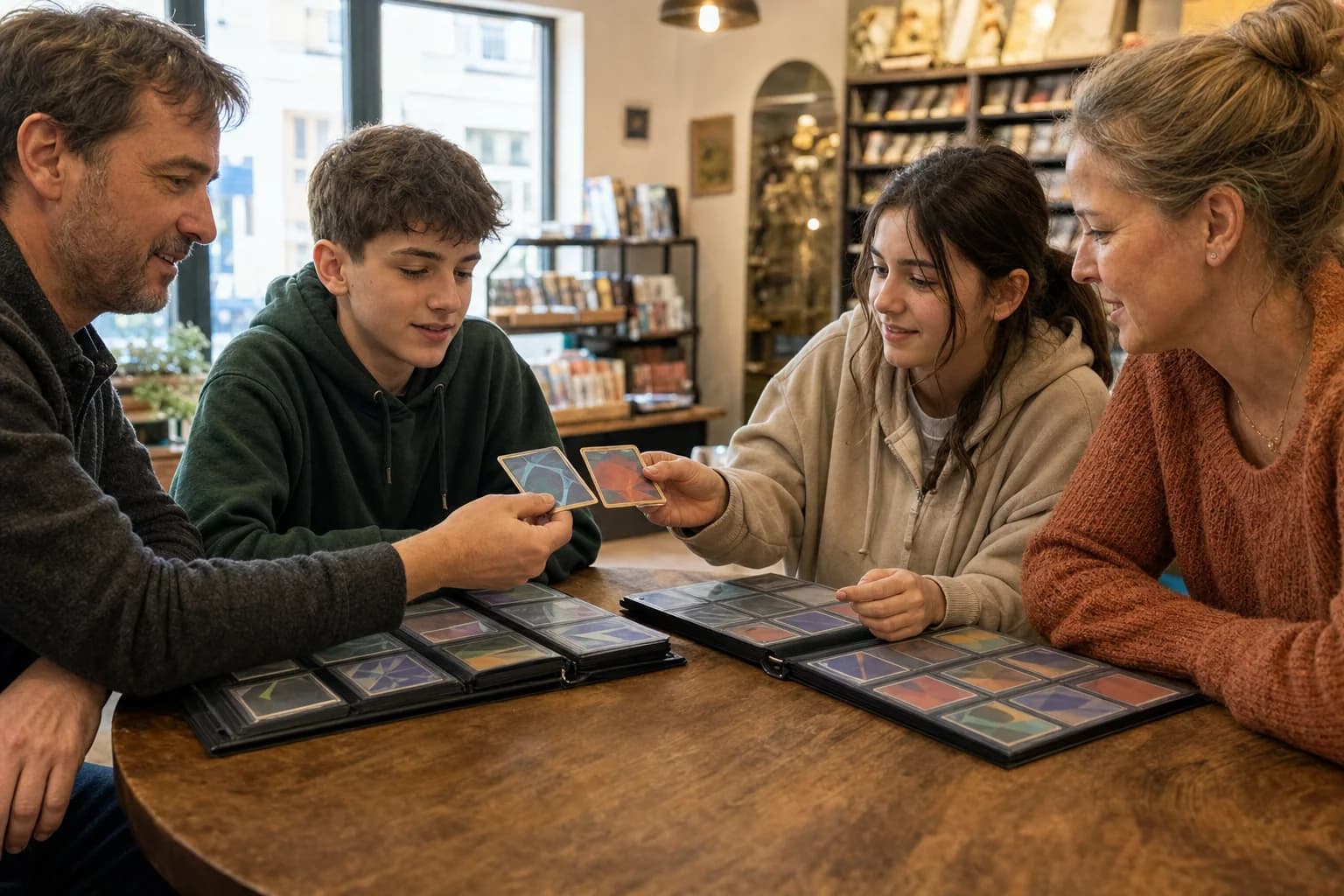
Distance, not borders
A swap only happens when two families can meet without turning it into a trip. Matching therefore works from a broad area around you and from coarse distance bands, and compares those against the travel limit both collectors chose. Nothing in that calculation cares which country you are in: an account near a border matches across it the same way it matches down the road.
What setup asks for
- Your country, chosen from the full list.
- A postal code where your country uses them, or your town or city where it does not. Either answer is turned into a locality and a coarse area, and then discarded.
- A maximum travel distance. A match appears only when the approximate distance fits both collectors’ limits.
- Nothing else is country-specific: collections, want and double lists, and checklists work the same everywhere.
If your place is not found
The place reference data is thorough but not perfect, and very small localities are sometimes missing. Try the nearest larger town first — the area it derives is deliberately broad, so a neighbouring town usually gives you the same matches. If nothing works, write to support@swapcard.app with your country and the name you tried, and we will look at the reference data itself.
Collections are the other half
A country works from the day you sign up, but a swap still needs another collector nearby with the same album. Verified checklists are added by demand. Tell us your country and what your kids collect and we will write once a checklist for it is verified. We use that message only to answer it and to count demand per country.
Where the place data comes from
Postal code and place data from GeoNames, used under CC BY 4.0.